Jose Benitez Wanted in $110 Million Miami HIV Clinic Medicare Fraud Case
Federal Authorities Say Eleven South Florida Clinics Submitted Massive Fraudulent Claims for HIV Infusion Treatments
Jose Benitez is wanted by the FBI in connection with one of the largest HIV infusion Medicare fraud operations prosecuted in South Florida. Federal prosecutors accused Jose and his brothers, Carlos Benitez and Luis Benitez, of participating in a network of 11 Miami-area medical clinics used to submit approximately $110 million in false and fraudulent Medicare claims. The clinics purported to provide expensive HIV infusion treatments to Medicare beneficiaries, but investigators determined that treatments billed to the government were frequently medically unnecessary or were never provided at all.
The operation ran primarily between 2001 and 2004 and involved far more than fraudulent medical billing. Federal authorities accused participants of paying kickbacks to HIV-positive Medicare beneficiaries, using straw owners to conceal control of clinics, creating medical documentation to support questionable treatments, and moving millions of dollars in proceeds through sham companies. Jose Benitez was specifically accused of owning and operating one of the clinics and assisting in the submission of approximately $10 million in fraudulent Medicare claims.
Eleven HIV Infusion Clinics
The Benitez operation involved 11 medical clinics operating throughout South Florida. Federal prosecutors identified the clinics as AH Medical Office, Advanced Medical Rehabilitation Center, Best Medi Corp., Physician's Health Med-Care, Physician's Med-Care, Saint Jude Rehab Center, Global Med-Care Corp., CNC Medical Corp., G&S Medical Centers, Karla Medical Services, and Best Medicare.
The clinics presented themselves as legitimate medical facilities providing HIV infusion therapy to Medicare beneficiaries. Infusion treatment can involve administering medications intravenously and can be medically necessary for patients suffering from particular illnesses or complications. The federal investigation found that the Benitez-associated clinics were billing Medicare for expensive infusion treatments that were either unnecessary or never actually provided.
Federal prosecutors said Carlos and Luis Benitez controlled numerous clinics while Jose Benitez owned and operated Advanced Medical Rehabilitation Center. Jose was accused of helping that clinic submit approximately $10 million in false claims for HIV infusion services.
Patients Recruited Through Cash Kickbacks
Medicare beneficiaries were essential to the operation because the clinics needed real patient information to generate reimbursement claims. Federal authorities accused the Benitez brothers of referring HIV-positive Medicare beneficiaries to the clinics and arranging cash payments to encourage their participation.
The patients' Medicare information could then be associated with claims submitted to the federal program. Investigators found that some patients were paid to attend clinics and allow their information to be used while Medicare was billed for expensive treatments.
In one related prosecution involving Saint Jude Rehab Center, trial evidence showed that patients received cash kickbacks of approximately $150 per visit. Those patients permitted the clinic to bill Medicare for treatments that federal prosecutors established were medically unnecessary, and sometimes patients received unnecessary infusion treatments as part of the operation.
Medical Treatments That Were Unnecessary or Never Provided
The core of the operation was the submission of claims representing that legitimate HIV infusion treatments had been provided. Federal authorities said many of those treatments were medically unnecessary, while others were never administered at all.
This allowed participating clinics to seek large Medicare reimbursements while dramatically reducing or eliminating the actual medical services associated with those claims. Because HIV infusion treatments could generate substantial reimbursement payments, repeated claims involving numerous beneficiaries quickly produced millions of dollars in government payments.
The investigation eventually expanded across the entire network of clinics. What initially appeared to be medical billing activity was identified by federal investigators as a coordinated operation involving patients, clinic operators, physicians, administrators, financial transactions, and companies created to receive money generated through the clinics.
Approximately $110 Million in Claims
The scale of the operation was enormous. When the Justice Department announced the federal charges in 2008, prosecutors described the case as a $110 million health care fraud scheme involving the Benitez brothers and the 11 HIV infusion clinics.
Federal prosecutors accused Carlos and Luis Benitez of conspiring to submit approximately $110 million in fraudulent Medicare claims between January 2001 and November 2004. Jose Benitez was accused of owning Advanced Medical and assisting in the submission of approximately $10 million in false claims from that clinic.
Later proceedings involving other participants provided further evidence of the extraordinary size of the broader operation. A physician's assistant who worked at the clinics subsequently admitted involvement in a scheme in which approximately $119 million in fraudulent claims were submitted for medically unnecessary or nonexistent HIV infusion treatments.
Advanced Medical and Jose Benitez
Jose Benitez's individual role was particularly connected to Advanced Medical Rehabilitation Center. Federal prosecutors identified him as the owner and operator of the clinic and accused him of helping submit approximately $10 million in fraudulent Medicare claims.
Advanced Medical was one component of the larger network associated with the brothers. Prosecutors said Carlos and Luis controlled the other clinics and helped provide patients, personnel, and other resources necessary to keep the operation functioning.
The clinics could generate significant revenue by repeatedly billing Medicare for expensive infusion treatments. Using multiple facilities also expanded the number of claims that could be submitted and created a larger network through which patients, employees, and money could move.
Medical Records Used to Make Treatments Appear Legitimate
Federal prosecutors also developed evidence showing how documentation was used to make the clinics' treatments appear medically legitimate. Thomas McKenzie, a physician's assistant involved with the clinics, later pleaded guilty and admitted his role in the operation.
According to the Justice Department, McKenzie trained and supervised physicians and providers so medical records would appear to support the HIV infusion treatments being billed to Medicare. He admitted knowing that treatments billed by the clinics were medically unnecessary or were never provided.
The creation of supporting medical records was important because Medicare claims can be audited against patient files and treatment documentation. Records indicating that a patient had received and required a particular treatment could make fraudulent claims more difficult to immediately distinguish from legitimate medical care.
Millions Moved Through Sham Companies
After Medicare payments reached the clinics, authorities say the Benitez brothers used sham companies to move the proceeds. The brothers were accused of establishing purported marketing, management, and other companies and transferring millions of dollars generated by the clinics through those businesses.
Federal prosecutors also accused the brothers of moving proceeds among the various HIV infusion clinics. These transactions became the foundation for the money laundering portion of the federal prosecution.
One related case demonstrated the scale of these transfers. An administrator associated with G&S Medical Center admitted assisting in laundering approximately $4 million by making checks payable to sham marketing and management companies controlled by the Benitez brothers. Another operator connected to Global Med-Care admitted that approximately $6 million in proceeds were transferred to sham companies associated with the brothers.
Individual Clinics Generated Millions
Several related prosecutions revealed how much money individual clinics within the network were generating. Saint Jude Rehab Center submitted approximately $11.3 million in fraudulent claims during a period of only several months, with Medicare paying more than $8.2 million.
G&S Medical Center submitted approximately $14 million in claims for HIV infusion services that were medically unnecessary or never provided. Medicare paid approximately $9.6 million on those claims.
At Physicians Med-Care and Physicians Health, a physician later admitted approving approximately $26.2 million in fraudulent medical bills. Medicare paid approximately $17.5 million as a result of that conduct. These individual clinic figures demonstrate how the combined network could generate claims reaching well above $100 million.
Other Participants Were Prosecuted
The federal investigation extended far beyond the three brothers. Physicians, clinic administrators, and other participants faced prosecution for their roles in the operation, and several ultimately pleaded guilty or were convicted.
Thomas McKenzie pleaded guilty to conspiracy to commit health care fraud and submitting false claims to Medicare. He admitted helping oversee documentation designed to make fraudulent treatments appear legitimate and acknowledged his involvement in a scheme involving approximately $119 million in fraudulent claims.
Other physicians and administrators connected to individual clinics also pleaded guilty or were convicted. Their cases provided federal prosecutors with additional evidence concerning how the clinics operated, how patients were recruited, how treatments were documented, and how Medicare payments were distributed.
Medicare Fraud Strike Force Investigation
The case was investigated as part of the Medicare Fraud Strike Force, a coordinated federal initiative involving prosecutors and investigators focused on large-scale health care fraud. The Miami area became a major focus of federal Medicare fraud enforcement because of the extraordinary volume of fraudulent health care billing uncovered in South Florida.
The investigation involved the FBI and the Department of Health and Human Services Office of Inspector General. Financial records, medical documentation, Medicare claims, patient information, corporate records, and testimony from people involved with the clinics all became important components of the broader investigation.
By 2008, federal authorities had accumulated enough evidence to bring extensive criminal charges against Jose, Carlos, and Luis Benitez as well as other participants associated with the clinics.
Federal Indictment
The Benitez brothers were federally indicted in 2008 in the Southern District of Florida. The charges included conspiracy to defraud the United States, cause the submission of false claims, and pay health care kickbacks; conspiracy to commit health care fraud; submission of false claims; and money laundering-related offenses.
Jose Benitez faced a potential maximum sentence of 40 years in federal prison on the charges announced by the Justice Department at the time. Carlos and Luis faced additional money laundering counts and substantially higher potential maximum sentences.
Federal arrest warrants were issued for the brothers, beginning the fugitive phase of the investigation. The charges against Jose Benitez remain accusations unless and until they are established through the federal judicial process.
Who Is Jose Benitez?
Jose Benitez, whose full name is listed as Jose Manuel Benitez, was born on February 29, 1964, in Cuba. The FBI also lists Jose Manuel Gonzalez and Jose Manuel Benitez Gonzalez among names associated with him.
Federal authorities describe him as approximately 5 feet 11 inches tall and weighing around 155 pounds, with black hair and brown eyes. His occupation is listed as businessman, and his nationality is Cuban.
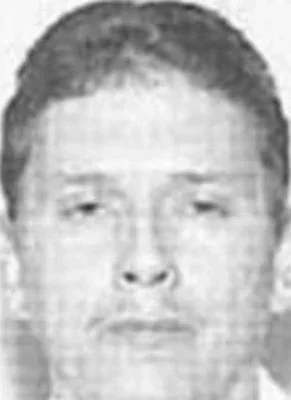
The FBI photograph associated with his wanted profile was taken in 2007. Because nearly two decades have passed since that photograph was taken, his present appearance could differ considerably from the image currently available to the public.
Possible International Travel
The FBI states that Jose Benitez may have traveled to Cuba, the Dominican Republic, and Nicaragua. Those international connections are particularly important in a fugitive investigation that has remained unresolved for many years.
Locating a person outside the United States can require cooperation among multiple governments and law-enforcement agencies. The process of returning a fugitive can also depend on the country involved, the person's citizenship and immigration status, and applicable international legal procedures.
International movement can nevertheless create opportunities for investigators. Travel through another jurisdiction, the use of identifying documents, financial transactions, employment, or contact with known associates can potentially generate new information concerning a fugitive's location.
A Scheme Built Around Vulnerable Patients
The operation was particularly serious because it involved HIV-positive Medicare beneficiaries. Rather than simply creating fictitious patient identities, authorities accused participants of recruiting real beneficiaries and paying them kickbacks to attend the clinics.
Using real patients allowed the clinics to create claims associated with actual Medicare beneficiaries. Medical documentation could then be generated to support treatments, making the billing appear more credible within Medicare's reimbursement system.
The scheme consequently affected both the integrity of the Medicare program and the medical records associated with individual patients. Health care decisions are supposed to be based on a patient's medical needs, not on the amount of money a particular treatment can generate through government reimbursement.
Why HIV Infusion Fraud Generated So Much Money
The extraordinary dollar amounts involved were connected to the reimbursement available for infusion therapy. Expensive treatments billed repeatedly across numerous beneficiaries could generate millions of dollars for a single clinic within a relatively short period.
The individual clinic cases demonstrate how quickly those totals accumulated. Saint Jude generated more than $11 million in claims in a matter of months, while G&S submitted approximately $14 million. Two other clinics were connected to more than $26 million in fraudulent bills approved by one physician.
When similar billing occurred across 11 facilities, the combined claims reached approximately $110 million in the original federal case. Later court proceedings involving participants described the broader fraudulent billing as approximately $119 million.
Jose Benitez Remains Wanted
Jose Benitez remains wanted in connection with the massive South Florida Medicare fraud investigation involving his brothers Carlos and Luis. Federal authorities accuse the brothers of operating or controlling a network of HIV infusion clinics that billed Medicare for treatments that were medically unnecessary or never provided, while patients were paid kickbacks and millions of dollars in proceeds were moved through sham companies.
Jose was specifically accused of owning and operating Advanced Medical Rehabilitation Center and assisting in approximately $10 million in fraudulent claims. The overall network was accused of submitting approximately $110 million in false and fraudulent Medicare claims, and federal authorities continue to seek Jose Benitez in connection with the unresolved prosecution. Anyone with information concerning his whereabouts should provide it directly to appropriate law-enforcement authorities rather than attempting to confront, follow, detain, or apprehend him.
Sources
FBI — Jose Benitez Official Wanted Profile
U.S. Department of Justice — Benitez Brothers $110 Million Health Care Fraud Case