Carlos Benitez Sought in $110 Million South Florida HIV Infusion Medicare Fraud Case
Federal Authorities Say Eleven Medical Clinics Were Used in Massive Medicare Billing and Money Laundering Operation
Carlos Benitez is wanted by the FBI in connection with a massive health care fraud operation involving HIV infusion clinics throughout South Florida. Federal prosecutors accuse Carlos and his brothers, Luis Benitez and Jose Benitez, of participating in a network of 11 medical clinics used to submit approximately $110 million in false and fraudulent claims to Medicare. The clinics purported to provide HIV infusion therapy to Medicare beneficiaries, but authorities say treatments billed to the government were frequently medically unnecessary or were never provided.
The operation ran primarily between 2001 and 2004 and involved fraudulent medical billing, patient kickbacks, concealed clinic ownership, and the movement of Medicare proceeds through sham companies. According to the federal indictment, Carlos and Luis Benitez controlled numerous clinics while using straw owners to disguise their involvement. The brothers were federally charged in 2008 with offenses including health care fraud conspiracy, false claims, money laundering conspiracy, and money laundering.
Eleven Medical Clinics Across South Florida
Federal prosecutors say Carlos and Luis Benitez owned and controlled 10 of the 11 clinics involved in the broader operation, while Jose Benitez owned and operated Advanced Medical Rehabilitation Center. The clinics included AH Medical Office, Advanced Medical Rehabilitation Center, Best Medi Corp., Physician's Health Med-Care, Physician's Med-Care, Saint Jude Rehab Center, Global Med-Care Corp., CNC Medical Corp., G&S Medical Centers, Karla Medical Services, and Best Medicare.
The clinics presented themselves as facilities providing HIV infusion treatment to Medicare beneficiaries. Infusion therapy can be a legitimate medical treatment, but federal investigators determined that the Benitez-associated clinics were billing Medicare for treatments that were medically unnecessary or were never provided. By repeatedly submitting expensive infusion claims across numerous clinics and beneficiaries, the operation generated enormous amounts of Medicare billing.
The Justice Department described Carlos, Luis, and Jose Benitez as the alleged masterminds of the broader South Florida HIV infusion fraud operation. Prosecutors said the network extended across at least 11 clinics and involved both fraudulent medical claims and the laundering of proceeds generated through those claims.
Straw Owners Used to Conceal Control
A significant part of the operation involved concealing who actually controlled the clinics. Authorities say Carlos and Luis Benitez used straw owners whose names appeared on corporate or business records while the brothers remained the true owners behind the operations.
Using straw owners can make it substantially more difficult for regulators and investigators to determine who controls a medical business. On paper, a clinic may appear to belong to one individual while financial decisions, staffing, patient recruitment, and other important operations are actually directed by someone else.
Federal prosecutors later identified Carlos and Luis as the true owners of numerous clinics involved in the investigation, including Physicians Med-Care, Physicians Health, Saint Jude, Global Med-Care, and G&S Medical Centers. Establishing that hidden ownership became an important part of connecting individual clinic fraud cases to the larger Benitez operation.
Approximately $110 Million in Medicare Claims
The scale of the alleged fraud was extraordinary. The Justice Department said Carlos and Luis Benitez conspired to submit approximately $110 million in false and fraudulent Medicare claims for HIV infusion services supposedly provided through the clinics between January 2001 and November 2004.
The amount represented claims submitted to Medicare rather than simply the activities of one clinic. With numerous facilities operating simultaneously, the network could submit large volumes of reimbursement requests involving multiple beneficiaries and treatments.
Later proceedings involving other participants described approximately $119 million in fraudulent claims associated with the HIV infusion clinics. Those proceedings provided additional evidence about how medical records were prepared and how treatments were represented as medically necessary despite participants knowing that services were unnecessary or had not been provided.
HIV Patients Paid Kickbacks
Real Medicare beneficiaries were important to the operation because their identities and Medicare information could be connected to reimbursement claims. Federal prosecutors accuse Carlos and Luis Benitez of referring beneficiaries to the clinics and directing that they receive kickbacks.
The payments encouraged patients to claim that legitimate medical services had been provided. Authorities say the underlying HIV infusion services were often medically unnecessary or never actually performed.
Using actual beneficiaries made the claims potentially more difficult to identify as fraudulent. Instead of creating completely fictional patients, the clinics could submit claims associated with people who were legitimately enrolled in Medicare, while investigators say the treatments attributed to those patients did not correspond with legitimate medical necessity or actual care.
Treatments Were Unnecessary or Never Provided
The operation depended on Medicare believing expensive medical services had legitimately been provided to HIV-positive beneficiaries. Authorities say that was frequently not the case. Some treatments were medically unnecessary, while others were billed even though the services were never performed.
This distinction is critical in health care fraud investigations. A legitimate provider can receive Medicare reimbursement for covered services actually required and delivered to a beneficiary, but billing for nonexistent treatment or deliberately unnecessary services can generate criminal liability.
When the same type of fraudulent billing is repeated across numerous patients and clinics, the losses can grow rapidly. The Benitez network's alleged billing ultimately reached approximately $110 million, placing it among the major South Florida Medicare fraud cases of that period.
Medical Records Made Treatments Appear Legitimate
The investigation also uncovered evidence concerning how supporting medical documentation was created. Thomas McKenzie, a physician's assistant who worked at the Benitez-associated clinics, later pleaded guilty in connection with the operation.
McKenzie admitted that his role included training and overseeing physicians working at the clinics so medical records would appear to support the expensive HIV infusion treatments being billed to Medicare. He acknowledged knowing that treatments billed by the clinics were medically unnecessary or had never been provided.
Medical documentation is crucial to Medicare reimbursement because records can be examined to determine whether a particular treatment was medically necessary and actually performed. Creating records that appear to support nonexistent or unnecessary treatment can therefore make fraudulent claims appear more legitimate during routine review.
Sham Companies Used to Move Medicare Money
The federal case extended beyond health care fraud into money laundering. After Medicare paid claims submitted by the clinics, prosecutors say Carlos, Luis, and Jose Benitez moved proceeds through sham businesses.
According to the Justice Department, millions of dollars were transferred to purported marketing and management companies controlled by the brothers. Proceeds were also transferred among clinics involved in the operation.
Moving money through separate businesses can make it more difficult to determine where proceeds originated and who ultimately controlled them. Those transactions became the basis for significant money laundering allegations against the brothers.
Millions Flowed From Individual Clinics
Related federal prosecutions revealed the enormous amounts of money generated by individual clinics. At Saint Jude Rehab Center, approximately $11.3 million in fraudulent bills were submitted to Medicare during a period in 2003, and Medicare paid approximately $8.2 million.
G&S Medical Centers was connected to approximately $14 million in claims involving HIV infusion services that were medically unnecessary or never provided. In another part of the operation, federal authorities said approximately $6 million from Global Med-Care was transferred to sham management, marketing, and investment companies controlled by participants associated with the Benitez brothers.
These figures demonstrate how a network of clinics could collectively generate claims exceeding $100 million. Each facility provided another location through which patients could be recruited, medical records generated, and reimbursement requests submitted.
Carlos Benitez's Role
Federal prosecutors accused Carlos Benitez of being one of the principal figures behind the network. Along with Luis, Carlos was identified as a true owner of numerous clinics despite the use of other people as nominal owners.
The government accused Carlos and Luis of referring Medicare beneficiaries to the clinics and directing that kickbacks be paid. Prosecutors also connected them to the companies used to move proceeds after Medicare payments reached the clinics.
Carlos and Luis faced more extensive money laundering charges than Jose. When the federal prosecution was announced, the Justice Department stated that Carlos and Luis each faced potential maximum sentences of 155 years if convicted on all charges then pending against them.
Federal Grand Jury Charges
Federal arrest warrants for Carlos, Luis, and Jose Benitez were issued in connection with the Southern District of Florida prosecution in 2008. The charges covered numerous aspects of the alleged operation rather than focusing exclusively on false medical billing.
The brothers were charged with conspiracy to defraud the United States, cause the submission of false claims, and pay health care kickbacks; conspiracy to commit health care fraud; and submission of false claims. They were also charged with conspiracy to launder proceeds, while Carlos and Luis faced additional money laundering charges.
The indictment also sought forfeiture of assets connected to the defendants. Asset forfeiture can allow the government to pursue money and property prosecutors contend represent criminal proceeds or were involved in the commission of specified offenses.
Who Is Carlos Benitez?
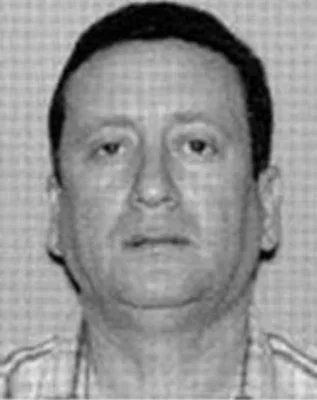
Carlos Manuel Benitez was born on August 3, 1961, in Cuba. The FBI lists several names associated with him, including Carlos M. Benitez Gonzalez, Carlos M. Benitez, and Carlos Manuel Benitez Gonzalez.
Federal authorities describe Benitez as approximately 5 feet 9 inches tall and weighing around 180 pounds. He has black hair and brown eyes, is identified as Cuban, and his occupation is listed as businessman.
The photograph distributed on his FBI wanted profile was taken in 2005. Because more than two decades have passed since that photograph was taken, Carlos Benitez could look substantially different today.
Possible Travel Outside the United States
Federal authorities say Carlos Benitez may have traveled to Costa Rica, Cuba, the Dominican Republic, and Nicaragua. Those potential international connections have become important to the continuing effort to locate him.
International fugitive investigations can become significantly more complicated than domestic searches. Citizenship, immigration status, extradition arrangements, local laws, and cooperation between governments can all affect efforts to arrest and return a person wanted in the United States.
Travel can also create opportunities for authorities to locate a fugitive. Border crossings, identification documents, financial transactions, employment records, and contact with known associates can potentially produce information concerning a person's current whereabouts.
Other Participants Were Convicted
Although the Benitez brothers remained fugitives, numerous other people connected to the broader clinic network were prosecuted. Physicians, administrators, and other participants pleaded guilty or were convicted for their roles in individual clinics and related financial transactions.
Thomas McKenzie pleaded guilty to conspiracy to commit health care fraud and submitting false claims. He admitted involvement in fraudulent HIV infusion billing and was later sentenced to 14 years in federal prison, three years of supervised release, and ordered to pay $84 million in restitution to Medicare.
Other prosecutions provided additional evidence about individual clinics, patient kickbacks, fraudulent medical documentation, and the movement of Medicare money. These cases helped federal investigators reconstruct how the broader operation functioned.
Medicare Fraud Strike Force
The Benitez investigation was pursued as part of the Medicare Fraud Strike Force operating in Miami. The initiative combined federal prosecutors with investigators focused on identifying and prosecuting organized health care fraud.
South Florida became a major focus of Medicare fraud enforcement because federal authorities had uncovered exceptionally large amounts of fraudulent billing in the region. The Benitez clinic network represented the type of organized operation the Strike Force was created to investigate.
The investigation received assistance from the FBI and the Department of Health and Human Services Office of Inspector General. Together, investigators examined financial records, medical documentation, clinic ownership, Medicare claims, patient activity, and the movement of proceeds.
A Long-Running Federal Fugitive Case
The federal prosecution dates to 2008, meaning Carlos Benitez has remained wanted in connection with the case for approximately 18 years. The underlying clinic activity occurred even earlier, primarily between 2001 and 2004.
A fugitive's appearance, occupation, residence, and personal relationships can change substantially over such a long period. Someone who encounters Carlos today may have no knowledge of his previous connection to Miami's health care industry or the federal prosecution.
Current information about his residence, travel, employment, associates, identification documents, or financial activity could therefore remain valuable. The FBI continues to list Carlos Benitez as wanted and identifies its Miami Field Office as responsible for the case.
Carlos Benitez Remains Wanted
Carlos Benitez remains wanted in connection with the South Florida HIV infusion fraud and money laundering operation involving his brothers Luis and Jose Benitez. Federal prosecutors accuse Carlos and Luis of controlling numerous clinics that collectively submitted approximately $110 million in false and fraudulent Medicare claims while beneficiaries received kickbacks and treatments were medically unnecessary or never provided.
Authorities also accuse the brothers of laundering proceeds through sham marketing, management, and other companies. Carlos may have traveled to Costa Rica, Cuba, the Dominican Republic, or Nicaragua, and the FBI continues to seek information concerning his location. Anyone with information should provide it directly to appropriate law-enforcement authorities rather than attempting to confront, follow, detain, or apprehend him.
Sources
FBI — Carlos Benitez Official Wanted Profile
U.S. Department of Justice — $110 Million Benitez Health Care Fraud Case