Cancer Fundraiser Fraud Case: Vanessa O’Rourke Wanted on 15 Federal Wire Fraud Counts
Pennsylvania Woman Accused of Faking Terminal Brain Cancer and Using Donations for Trips to Australia
Vanessa O’Rourke is wanted by the Federal Bureau of Investigation after being indicted on 15 counts of wire fraud in a case involving claims that she had been diagnosed with terminal brain cancer. Federal authorities say O’Rourke told family members and friends that she was suffering from glioblastoma and needed financial assistance for medical treatment and support while she was ill. Investigators say those representations were false and that money provided for her supposed cancer treatment was instead connected to trips to Australia where she participated in leisure activities and received no medical treatment.
The scheme described by federal authorities took place primarily between October 2015 and July 2016 and relied heavily on O’Rourke’s relationships with people who trusted her. Friends, relatives, and other members of the community provided money after being told she was seriously ill and required assistance. The case eventually resulted in a federal indictment and an arrest warrant that remains outstanding.
Claims of a Terminal Glioblastoma Diagnosis
O’Rourke told people close to her that she had been diagnosed with glioblastoma, an aggressive form of brain cancer. She represented that her condition was terminal and that she required money to help pay for treatment and provide financial support while she dealt with the illness. Those claims caused people within her personal network to provide assistance based on the belief that they were helping someone facing a life-threatening medical crisis.
The alleged deception was particularly effective because it involved family members and friends rather than anonymous victims responding to an unsolicited message. People who knew O’Rourke had reasons to trust what she told them about her health, making the claims emotionally powerful. Federal investigators ultimately concluded that the cancer diagnosis she described did not exist.
From October 2015 through July 2016, O’Rourke continued making representations about her health and the need for financial assistance. The story eventually expanded beyond ordinary treatment expenses when she told family and friends that an experimental medical opportunity was available outside the United States. Australia became central to what authorities describe as the next stage of the scheme.
Experimental Treatment in Australia
O’Rourke told family members and friends that she needed to travel to Australia to participate in experimental treatment for her purported cancer. International medical treatment can involve substantial expenses, including airfare, accommodations, transportation, medical costs, and extended time away from work. Her claims therefore provided an explanation for why she required additional financial assistance.
In approximately April 2016, O’Rourke traveled to Australia. Federal authorities say the purpose of the trip was not cancer treatment and that she received no medical treatment while there. Instead, investigators say she participated in a variety of leisure activities during the trip.
The difference between what donors were told and what investigators say actually occurred became a central component of the federal fraud case. People provided money believing it would support treatment for a terminal illness, while authorities say the supposed treatment did not exist. O’Rourke eventually returned to the United States and continued seeking financial support.
Friends and Family Organize Fundraisers
After returning from Australia, O’Rourke enlisted friends and family members to organize two fundraisers on her behalf. The fundraising effort expanded the number of people who could contribute beyond those in her immediate personal circle. Donors were presented with the same underlying story that O’Rourke was battling cancer and needed financial assistance for treatment.
One fundraiser involved the creation of an online webpage where people could provide donations. Online fundraising can quickly reach friends, acquaintances, coworkers, and other community members who may never have personally discussed the illness with the person receiving the money. Contributors could instead rely on information presented through the campaign and the support of people they trusted.
A second fundraising effort involved a benefit event at a local restaurant in Pennsylvania. Numerous people provided donations through the webpage and benefit event believing their money would help pay for O’Rourke’s cancer treatment. The participation of friends and relatives in organizing the fundraisers gave the effort additional credibility because those individuals themselves believed the medical claims they had been given.
Donations Used for Another Australian Trip
Federal authorities say O’Rourke used the money raised on her behalf to travel to Australia again in approximately 2016. As with the first trip, investigators say she did not receive medical treatment for cancer while in Australia. Instead, she again participated in leisure activities.
The second trip became particularly significant because money had been collected through organized fundraising efforts specifically associated with her supposed medical needs. Donors who participated in the online campaign or restaurant benefit believed they were contributing toward treatment for a serious illness. Authorities say the underlying illness was nonexistent.
The scheme therefore involved multiple layers of deception. O’Rourke first convinced people close to her that she was terminally ill, then represented that she required experimental treatment overseas, and later used the support of those same friends and relatives to reach additional donors. The people organizing the fundraisers were themselves relying on the information O’Rourke had provided about her health.
Trust Became Central to the Scheme
Unlike many fraud cases involving strangers, O’Rourke’s case centers on relationships between people who already knew one another. Family members and friends were among those who initially received the claims concerning her cancer diagnosis and treatment needs. Their trust allowed the story to spread to a wider group of people through fundraising efforts.
Medical fundraising often depends heavily on trust because donors generally do not independently request or review a patient’s private medical records. Friends and community members may contribute because they trust the patient, the family, or the people organizing the fundraiser. That environment can make fabricated medical claims particularly difficult to detect before money has already been collected.
The emotional nature of a terminal cancer diagnosis can also create urgency among potential donors. People may want to contribute quickly because they believe treatment is time-sensitive or that a family is experiencing a financial emergency. Federal prosecutors ultimately treated O’Rourke’s use of these representations as a criminal fraud matter.
Why Glioblastoma Made the Claims Particularly Serious
Glioblastoma is an aggressive malignant brain tumor that requires significant medical treatment. A diagnosis can involve surgery, radiation therapy, chemotherapy, specialist appointments, and extensive ongoing care. Representing that someone has been diagnosed with the disease can therefore create an immediate expectation of serious medical and financial hardship.
O’Rourke’s representations went further by describing her condition as terminal and claiming that experimental treatment was available in Australia. For friends and relatives, helping finance international treatment could appear to be an opportunity to assist someone facing extremely limited options. Authorities say that medical justification was false.
The use of a serious illness as the foundation of a fundraising scheme can also affect people beyond those who lose money. Friends and relatives may provide emotional support, spend time organizing events, promote fundraising campaigns, and encourage other people to contribute. When the underlying diagnosis is fabricated, those forms of assistance become part of the broader harm caused by the deception.
Federal Investigation Leads to 15 Charges
The case eventually became the subject of a federal criminal investigation in Pennsylvania. Investigators examined O’Rourke’s representations about her diagnosis, fundraising activities, financial support she received, and travel to Australia. The investigation resulted in prosecutors pursuing multiple wire fraud charges.
On May 3, 2018, a federal grand jury in the United States District Court for the Eastern District of Pennsylvania indicted O’Rourke on 15 counts of wire fraud. A federal arrest warrant was subsequently issued for her. She remains wanted in connection with those charges.
Wire fraud is commonly charged when electronic communications or financial systems are used as part of a fraudulent scheme. Online fundraising, electronic payments, interstate communications, and other digital transactions can create federal jurisdiction when used to obtain money through materially false representations. O’Rourke’s indictment contains 15 separate wire fraud counts arising from the investigation.
Who Is Vanessa O’Rourke?
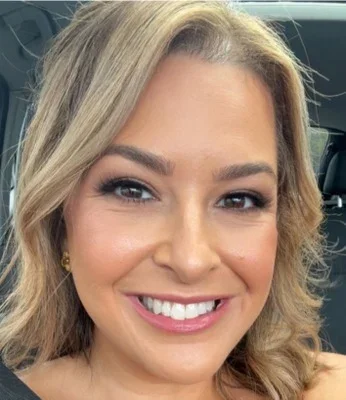
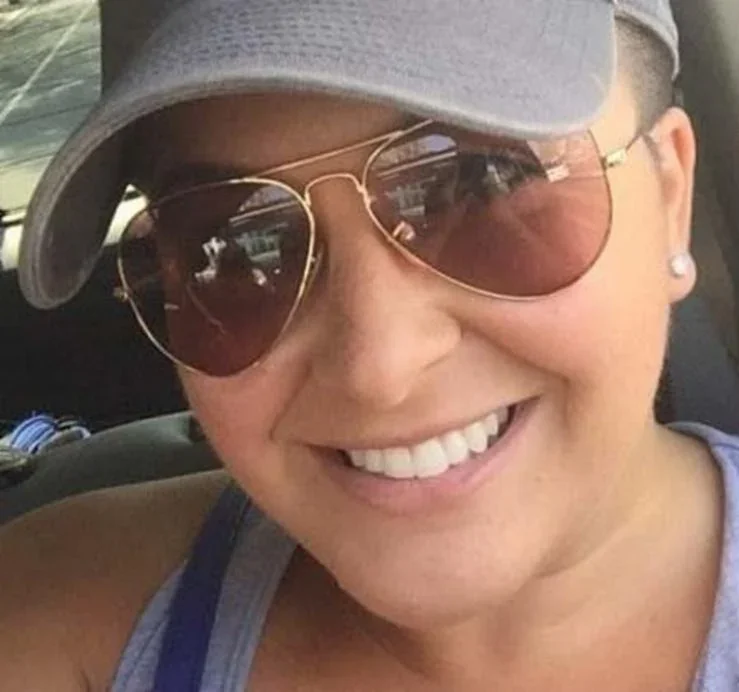
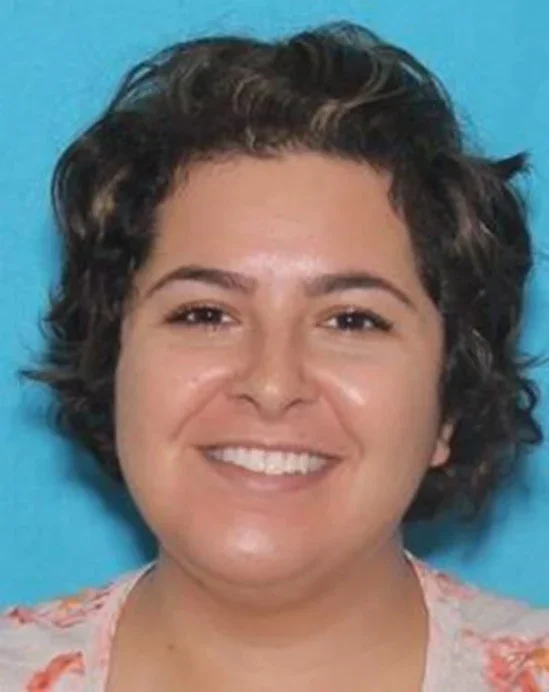
Vanessa O’Rourke was born on August 10, 1975, and is a United States citizen. The FBI describes her as approximately 5 feet 7 inches tall and weighing about 140 pounds, with brown hair and blue eyes. Her federal wanted materials include photographs intended to assist members of the public and law-enforcement authorities in identifying her.
The FBI also identifies several aliases associated with O’Rourke, including Vanessa O’Rourke-Welch, Vanessa Welch, and Vanessa Lea Welch. Those alternate names may be important because someone who has encountered her since the federal warrant was issued may know her by a different surname. The FBI continues to distribute identifying information while seeking her location.
O’Rourke has ties to Pennsylvania, where the fundraising event described by federal authorities occurred and where the criminal case was filed. Her international travel to Australia also became an important part of the investigation. Authorities continue to seek information that could establish where she is currently living or traveling.
The Risks of Fraudulent Medical Fundraising
Medical fundraising can provide essential assistance to people dealing with genuine illnesses, but the system often relies heavily on personal trust. Donors may have limited ability to independently confirm diagnoses, treatment plans, medical expenses, or claims concerning experimental procedures. Fraudulent campaigns can exploit that trust and potentially make donors more skeptical of legitimate people seeking help.
Online fundraising has expanded the potential reach of these campaigns considerably. A story that once might have circulated among friends and relatives can now reach hundreds or thousands of people through social media and fundraising websites. That reach can generate substantial assistance quickly, but it can also magnify the impact when the information behind a campaign is false.
Potential donors can reduce risk by examining who organized a fundraiser, whether information is consistent across multiple sources, and whether donations can be made directly to verified medical or support organizations when appropriate. Suspicious fundraising activity can also be reported to the platform hosting the campaign or to law enforcement when there is evidence that money is being obtained through deliberate deception.
Years as a Federal Fugitive
O’Rourke’s federal indictment dates back to May 2018, meaning the case has remained unresolved for years. The outstanding arrest warrant allows federal authorities to take her into custody if she is located. Her continued appearance in FBI wanted records indicates that investigators are still seeking information concerning her whereabouts.
Long-running fugitive investigations can become more difficult as physical appearances, residences, employment, and personal relationships change. Aliases and alternate surnames can further complicate efforts to identify a wanted individual. Photographs and known identifying information therefore remain important even years after a warrant is originally issued.
Information from people who previously knew O’Rourke or have encountered her more recently could assist investigators in determining her location. Someone may recognize her photograph while knowing her under one of the alternate names identified by federal authorities. Such information should be provided directly to law enforcement rather than used to confront or follow a wanted individual.
O’Rourke Remains Wanted
Vanessa O’Rourke remains wanted on 15 federal counts of wire fraud arising from the alleged cancer fundraising scheme. Federal authorities say she falsely represented that she had terminal glioblastoma, obtained money and support from family members and friends, and later benefited from an online fundraising page and restaurant benefit organized on her behalf. Investigators say she traveled to Australia and participated in leisure activities rather than receiving the cancer treatment donors believed they were financing.
Her federal arrest warrant remains connected to the case filed in the Eastern District of Pennsylvania. Anyone with information concerning O’Rourke’s whereabouts should provide it directly to the FBI or another appropriate law-enforcement agency. Members of the public should not attempt to confront, follow, detain, or apprehend a wanted individual.