$12 Million Investment Scheme Leaves Geoffrey John Busch Wanted on Federal Fraud Charges
Long-Running Federal Fugitive Case Stems From High-Yield Investment Operation in Fort Lauderdale
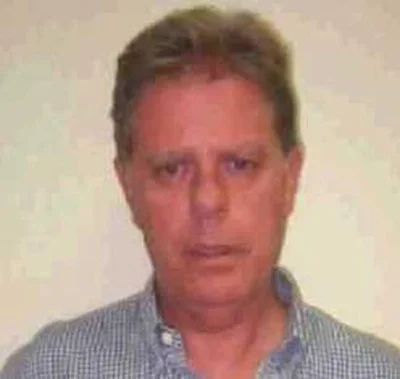
Geoffrey John Busch is wanted by the Federal Bureau of Investigation in connection with a multimillion-dollar investment scheme that operated in Fort Lauderdale, Florida, from approximately September 2002 through early 2006. Federal authorities accuse Busch of participating in a conspiracy designed to convince investors to transfer money for supposed “leased funds” that would be placed into bank accounts and used in high-yield trading programs. Investigators say the promised accounts and investment opportunities did not operate as represented, and more than $12 million in investor money was obtained during the scheme.
Busch was indicted in the United States District Court for the Southern District of Florida in Fort Lauderdale and charged with conspiracy to commit wire fraud, wire fraud, and money laundering. A federal arrest warrant was issued for him on December 18, 2007, beginning a fugitive case that has remained outstanding for years. The FBI continues to list Busch as wanted in connection with the federal prosecution.
Investors Promised Access to High-Yield Trading Programs
The operation centered on the promise that investors could provide money for what were described as “leased funds.” Those funds were supposedly going to be placed into accounts that could then participate in high-yield trading programs capable of producing enormous investment returns. Investors were led to believe that their money would provide access to financial opportunities capable of generating substantial profits.
Federal authorities say the bank accounts described to investors did not exist as represented. Instead of obtaining the promised leased funds and placing them into legitimate high-yield trading programs, investigators say investor money was diverted for Busch's own benefit. No profits were generated for the investors identified in the federal case.
The promise of unusually large returns was an important part of the operation. Investors believed their money would be connected to specialized financial transactions rather than simply transferred to Busch for his personal use. Authorities say those representations were used to convince victims to send substantial amounts of money.
Money Sent to Banks in the Bahamas
Busch's representations and documents caused investors to wire money to financial institutions in the Bahamas, according to federal authorities. Moving the funds internationally added another layer to the transactions and placed the investors' money outside the United States. The transfers became an important component of the federal wire fraud and money laundering investigation.
International financial transactions can make recovering money more difficult once a victim realizes that a promised investment does not exist. Funds can potentially move between institutions, accounts, companies, and jurisdictions, requiring investigators to reconstruct a complex financial trail. In Busch's case, the FBI says victims transferred money to banks in the Bahamas based on the representations and documentation they had received.
The use of wire transfers also became central to the federal charges. Electronic transfers can move substantial amounts of money quickly, and once a transaction is completed, victims may have limited opportunities to stop the funds from being moved again. Investigators ultimately traced the scheme as part of a federal case involving both wire fraud and money laundering allegations.
More Than $12 Million Obtained From Investors
Federal authorities say Busch obtained more than $12 million in proceeds from victim investors during the course of the scheme. The operation continued for several years, beginning around September 2002 and lasting until approximately early 2006. The length of the operation allowed the representations surrounding the supposed investment program to continue while additional money was collected.
The amount involved makes the case significantly larger than an ordinary individual investment dispute. Investors collectively transferred millions of dollars believing their money would be used to obtain leased funds and participate in high-yield trading opportunities. Authorities say those promised transactions failed to materialize.
Busch also failed to return the transferred money to investors, according to the federal allegations. Victims therefore lost not only the investment profits they had been promised but also the underlying funds they had originally transferred. As complaints and demands for refunds increased, authorities say Busch continued making representations intended to explain why the investments had not succeeded.
Investors Told Their Money Was Safe
An important part of the scheme involved maintaining investors' confidence after their money had already been transferred. Federal authorities say Busch continued telling victims that their investments were safe and that they had access to funds supposedly held in created accounts. Those assurances helped perpetuate the operation despite the absence of the promised investment results.
Continuing to reassure existing investors can be critical to keeping an investment scheme operating. If victims believe their principal remains secure, they may wait longer before demanding repayment or contacting law enforcement. They may also continue believing that delays are temporary and that promised returns will eventually appear.
Authorities say Busch failed to obtain the leased funds he had described and did not generate profits for the investors. Despite those failures, victims continued receiving representations concerning the security and availability of their money. The government ultimately characterized those communications as part of the broader conspiracy to defraud.
False Documents Supported the Investment Story
The federal case also involves documents that authorities say contained false information. Those materials supported Busch's representations and helped convince investors to transfer their money to banks in the Bahamas. Documents that appear to come from financial institutions or relate to investment accounts can give a fraudulent opportunity an appearance of legitimacy.
For an investor, paperwork can provide reassurance that a financial transaction is real and properly structured. Account information, agreements, financial statements, and other records can make an investment appear to have been reviewed and documented. When those materials contain false information, they can be used to reinforce claims that might otherwise raise immediate concerns.
Federal investigators say Busch's misrepresentations and false documents directly contributed to victims wiring their funds. Once the transfers were completed, the promised leased funds and high-yield trading profits never materialized. The investors were eventually left seeking the return of their original money.
Victims Blamed When They Requested Refunds
As investors began demanding their money back, authorities say Busch responded by blaming them for the failure of the supposed investments. He claimed that it was the victims' fault that their money had not been placed into a successful trade. The explanation shifted responsibility away from the operation and onto the people who had already provided the funds.
This response became another part of the pattern described by federal investigators. Investors had been told that their money would be placed into accounts, used in high-yield trading programs, and remain accessible to them. When those promises failed and refunds were requested, they were instead told that their own actions had prevented the trades from succeeding.
The investors nevertheless did not receive the promised profits or the return of their transferred funds. Authorities say the money had been diverted for Busch's benefit rather than being used for the investment activity described to victims. The accumulated losses eventually exceeded $12 million.
The High-Yield Investment Fraud Model
Schemes involving supposed high-yield trading programs frequently rely on the promise of unusually large returns from financial opportunities presented as exclusive or difficult for ordinary investors to access. Promoters may describe specialized banking arrangements, private trading programs, leased funds, international transactions, or other complex financial structures. The sophistication of the terminology can make the opportunity appear more legitimate to prospective investors.
A major warning sign occurs when promoters claim they can produce extraordinary returns while simultaneously assuring investors that their principal remains safe. Legitimate investments involve varying degrees of risk, and promises combining exceptionally high profits with little or no risk deserve significant scrutiny. Independent verification of the financial institutions, accounts, investments, and individuals involved can be essential before transferring money.
The allegations against Busch contain several characteristics associated with investment fraud investigations: extraordinary promised returns, complicated financial terminology, international wire transfers, representations that investor money remained secure, and continuing explanations after promised returns failed to appear. The federal investigation ultimately resulted in charges covering the alleged conspiracy, individual wire fraud offenses, and the movement of money connected with the operation.
Federal Indictment in South Florida
Following the investigation, Busch was indicted in the United States District Court for the Southern District of Florida in Fort Lauderdale. Federal prosecutors charged him with conspiracy to commit wire fraud, wire fraud, and money laundering. A federal warrant for his arrest was issued on December 18, 2007.
The conspiracy charge concerns the broader agreement and operation described by federal authorities, while the wire fraud allegations relate to the use of electronic communications and financial transfers in carrying out the scheme. The money laundering charge concerns financial transactions involving proceeds connected to the alleged criminal activity. Together, the charges reflect the government's investigation of both how investors were induced to send money and what happened to those funds afterward.
Busch's case originated in South Florida because Fort Lauderdale was at the center of the alleged operation. The transfer of money to the Bahamas added an international component to the investigation, while the use of financial communications and wire transfers brought the conduct within the scope of federal authorities.
A Fugitive Case Dating Back to 2007
The arrest warrant for Busch dates to December 18, 2007, making his case one of the longer-running financial fugitive cases still publicized by the FBI. Years can significantly complicate efforts to locate a wanted individual because residences, employment, relationships, physical appearance, and travel patterns may all change. Someone who knew Busch when the alleged scheme operated between 2002 and 2006 may have information different from someone who encountered him more recently.
An outstanding federal warrant does not disappear simply because substantial time has passed. If a fugitive is located and arrested, the pending criminal case can proceed through the federal court system. Information concerning current residences, international travel, business relationships, financial activities, or aliases can therefore remain important even many years after the original warrant was issued.
The continued publication of a fugitive's information also gives new audiences an opportunity to recognize the individual. Someone who was unaware of the original investigation may encounter a wanted notice years later and realize that a person they know matches the photographs or identifying information released by authorities.
The Financial Impact on Victims
Investment fraud can cause damage far beyond the immediate amount of money lost. Victims may invest retirement savings, business funds, proceeds from property sales, or money accumulated over many years. When those funds disappear, recovering financially can take years and may be impossible in cases where the money cannot be located or recovered.
The Busch investigation involved more than $12 million in proceeds obtained from investors. Each victim entered the transactions believing money would be used to generate investment returns, while federal authorities say the funds were instead diverted for Busch's benefit. Investors also faced repeated delays and representations concerning the supposed safety of their money before ultimately failing to receive refunds.
The international movement of the money created additional challenges. Funds transferred to foreign banks can require cooperation across jurisdictions when investigators attempt to determine where the money ultimately went. That financial trail became part of the broader federal investigation that resulted in the charges against Busch.
Recognizing High-Yield Investment Warning Signs
Investors should exercise particular caution when an opportunity promises exceptionally large returns while claiming that the original investment will remain protected. Complex descriptions involving private banking programs, leased funds, secret trading platforms, or supposedly exclusive financial instruments should be independently verified. Legitimate financial professionals should be able to clearly explain how an investment generates returns and what risks are involved.
Requests to send substantial sums to overseas accounts deserve additional scrutiny. International transfers are not inherently suspicious, but investors should independently verify the recipient, financial institution, ownership of the account, and reason the money must be transferred abroad. Documentation provided by the person promoting the investment should not be the only source used to verify those details.
Pressure to remain patient after promised payments fail to arrive can also be significant. Repeated explanations, unexplained delays, inaccessible accounts, and attempts to blame investors for missing funds may indicate a deeper problem. Victims who suspect investment fraud should preserve communications and financial records and report the matter to the appropriate financial institution and law-enforcement authorities.
Geoffrey John Busch Remains Wanted
Geoffrey John Busch remains wanted on federal charges of conspiracy to commit wire fraud, wire fraud, and money laundering in connection with the Fort Lauderdale investment operation. Federal authorities say more than $12 million was obtained from victim investors through a scheme involving supposed leased funds and high-yield trading programs. Investors transferred money to banks in the Bahamas but did not receive the promised profits or the return of their original funds.
The federal arrest warrant for Busch was issued on December 18, 2007, following his indictment in the Southern District of Florida. Anyone with information concerning his whereabouts should provide that information directly to the FBI or another appropriate law-enforcement agency. Members of the public should not attempt to confront, follow, detain, or apprehend a wanted individual.