Roda Abdulhassan Taher Wanted in $94 Million Global Money Laundering Case
FBI Says Fugitive Led an International Organization Targeting Elderly and Vulnerable Victims
Roda Abdulhassan Taher is wanted by the Federal Bureau of Investigation in connection with an international money laundering operation that authorities say was responsible for the theft and transfer of more than $94 million from elderly and otherwise vulnerable victims around the world. The FBI identifies Taher as the alleged leader of the organization, which conducted money laundering and transactions involving criminally derived property in the United States—primarily Florida—as well as overseas. The case resulted in more than 40 federal counts involving money laundering, bank fraud conspiracy, and transactions in criminally derived property.
A federal arrest warrant was issued for Taher on September 28, 2017, by the United States District Court for the Southern District of Florida in Miami. He remains listed among the FBI's current Most Wanted white-collar crime fugitives. The FBI considers Taher an escape risk and says he may travel internationally as well as to locations in Massachusetts and Michigan.
More Than $94 Million Stolen and Transferred
Federal authorities describe Taher's case as a massive international financial crime investigation involving more than $94 million. According to the FBI, Taher was personally responsible for the theft and transfer of those funds from elderly and otherwise vulnerable victims around the world. The alleged operation extended across national borders and involved financial activity both inside and outside the United States.
The amount attributed to the organization places the case among significant high-value financial crime investigations. Moving tens of millions of dollars requires access to financial accounts, payment systems, intermediaries, or other mechanisms capable of receiving and transferring substantial sums. Federal investigators ultimately charged Taher with numerous individual money laundering and criminal-property transactions in addition to conspiracy charges.
The FBI says the organization's American activity occurred primarily in Florida. The international component of the operation extended overseas, while Taher was working from Beirut, Lebanon. His alleged leadership role and international connections have made locating him an ongoing priority for the FBI's Miami Field Office.
Operating From Beirut, Lebanon
Authorities say Taher operated from Beirut while leading the global money laundering organization. Working internationally allowed the organization to conduct transactions across borders while its alleged victims and financial activity extended into the United States. The FBI's description of the case specifically identifies both domestic and overseas money laundering activity.
Beirut's role in the investigation is particularly significant because Lebanon remains one of the countries to which the FBI says Taher may travel. His international connections extend beyond Lebanon, however, and federal authorities have identified several countries and American cities associated with his possible movements.
The combination of an international operating base, large financial transfers, and numerous potential destinations creates additional challenges for investigators. Locating a fugitive who can move between different jurisdictions requires authorities to evaluate travel information, financial records, associates, identification documents, and other intelligence that could reveal the individual's location.
Elderly and Vulnerable Victims Targeted
One of the most serious elements of the case is the population authorities say was victimized. The FBI specifically describes the people from whom the money was taken as elderly and otherwise vulnerable victims around the world. According to the bureau, Taher was personally responsible for the theft and transfer of more than $94 million connected to those victims.
Financial crimes against elderly people can be particularly devastating because victims may lose retirement savings or money accumulated over decades. Older victims may also have fewer opportunities to recover financially after a major loss. When these operations cross international borders, recovering stolen money can become even more difficult.
The FBI's description also extends beyond elderly victims to people it characterizes more broadly as vulnerable. The scale of the losses and international reach of the organization eventually resulted in a major federal money laundering prosecution in South Florida.
A Global Money Laundering Organization
Money laundering operations are designed to move, conceal, transfer, or otherwise handle proceeds connected to criminal activity. Large international operations can involve multiple transactions and jurisdictions as funds move through financial systems. Investigators attempt to reconstruct those movements to identify where criminal proceeds originated, where they traveled, and who controlled the transactions.
Federal authorities accuse Taher of leading an organization engaged in both money laundering and transactions involving criminally derived property. His indictment includes 21 separate money laundering counts and another 18 counts involving transactions in criminally derived property. Those charges demonstrate the number of individual financial transactions examined during the investigation.
The federal case also includes conspiracy charges, reflecting allegations concerning a broader coordinated operation rather than isolated transactions. Taher faces one count of conspiracy to commit money laundering and another count of conspiracy to commit bank fraud.
More Than 40 Federal Counts
Taher's federal case includes a substantial number of charges. He is wanted for conspiracy to commit money laundering, conspiracy to commit bank fraud, 21 counts of money laundering, and 18 counts of transactions in criminally derived property. Combined, the FBI's current wanted notice identifies 41 federal counts.
The 21 money laundering counts concern individual transactions or financial activity prosecutors included in the indictment. The additional 18 criminally derived property counts concern another category of financial transactions connected to the proceeds under investigation. The two conspiracy counts address the broader alleged agreements to engage in money laundering and bank fraud.
Federal financial investigations involving this many counts can require extensive analysis of banking records, transfers, communications, account ownership, and transaction histories. Investigators may need to trace funds through multiple stages to determine where money originated and where it ultimately went. International transfers can add another layer of complexity because records and financial institutions may exist in multiple countries.
Federal Warrant Issued in Miami
The criminal investigation eventually resulted in charges being filed in the United States District Court for the Southern District of Florida. On September 28, 2017, a federal arrest warrant was issued for Taher in Miami. He has remained wanted under that warrant for years.
The FBI's Miami Field Office is responsible for the current wanted notice. Taher's continued appearance on the bureau's white-collar crime Most Wanted list confirms that federal authorities continue seeking his arrest. His wanted poster is available in both English and Arabic, reflecting the international scope of the search.
Taher's case remains unresolved while he is outside federal custody. If he is arrested, the pending charges would proceed through the federal judicial process. Until then, the outstanding warrant remains part of the continuing effort to locate him.
Who Is Roda Abdulhassan Taher?
Roda Abdulhassan Taher was born in Los Angeles, California, and is an American citizen. Federal authorities list multiple dates of birth associated with him, including November 1, 1978; January 1, 1978; January 11, 1978; and June 21, 1979. Multiple dates of birth can complicate identification because different records may contain different personal information.
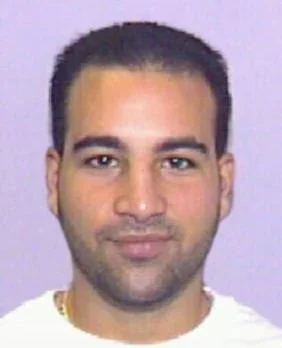
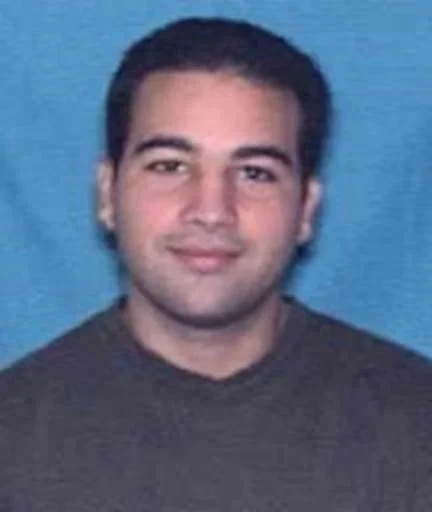
The FBI describes Taher as approximately 5 feet 6 inches tall and weighing between 150 and 190 pounds. He has brown eyes and black hair but is known to wear his head bald. Authorities have released several photographs of Taher taken at different points in time to assist with identification.
Because the photographs available to investigators are several years old, his present appearance could differ significantly. Changes in weight, facial hair, hairstyle, clothing, and age can make identification from a single photograph difficult. The FBI therefore provides multiple identifying details alongside the images.
Multiple Aliases Associated With Taher
Federal authorities identify several aliases connected with Taher. These include “Ressi,” Fateh Ikram Sakkal, Reda Tahir, and Rida Tahir. Someone who has encountered him personally or professionally may therefore know him by a name different from Roda Abdulhassan Taher.
Aliases can be particularly important in international fugitive and financial crime investigations. Variations in names can appear on records, accounts, communications, or other documents, while different spellings may be used between languages and countries. Publishing known aliases allows members of the public and law-enforcement authorities to connect those identities with the person named in the federal warrant.
His multiple reported dates of birth add another potential complication. Investigators seeking Taher must account for different combinations of names and biographical information that could be associated with him.

International and U.S. Travel Connections
The FBI says Taher may travel to Nigeria, Sierra Leone, and Lebanon. Within the United States, authorities identify Boston, Massachusetts, as well as Farmington Hills and Detroit, Michigan, as locations to which he may travel. These connections give the fugitive investigation a geographic reach extending across several countries and multiple American states.
Lebanon is especially significant because federal authorities say Taher worked from Beirut while leading the alleged money laundering organization. Nigeria and Sierra Leone provide additional international locations investigators have publicly associated with him. His American citizenship and connections within the United States mean investigators must also consider the possibility of domestic travel.
Federal authorities have specifically labeled Taher an escape risk. That warning is important in a case involving a fugitive with multiple aliases, international connections, and a history of operating across borders. Information concerning travel arrangements, residences, associates, or current business activities could therefore be significant to investigators.
Following the Money Across Borders
International money laundering investigations frequently depend on tracing financial activity rather than focusing exclusively on a fugitive's physical movements. Bank records can establish connections between individuals, accounts, businesses, and countries. Transfers can also reveal patterns that allow investigators to reconstruct how proceeds moved through a financial network.
Taher's indictment contains dozens of transaction-related charges, indicating the importance of financial movements to the government's case. Investigators examining more than $94 million in alleged criminal proceeds would potentially have to review large volumes of records to identify relevant transactions and determine how the money was handled.
The international nature of the case can make that process more difficult. Different countries have different banking regulations, recordkeeping requirements, privacy laws, and procedures for sharing evidence with foreign investigators. Cooperation between authorities and financial institutions can therefore become an essential component of tracing money across borders.
Why Money Laundering Investigations Matter
Money laundering is often closely connected to other forms of criminal activity because criminals need methods for moving or using the proceeds generated by their operations. Following financial transactions can allow investigators to identify individuals who control criminal proceeds even when they were not directly visible during the original offense.
Large laundering organizations can also provide financial infrastructure for numerous transactions. By tracing the money, investigators can potentially identify accounts, intermediaries, companies, and other people involved in moving the proceeds. That approach can transform what initially appears to be an isolated fraud into a much broader financial investigation.
The charges against Taher reflect this financial focus. Rather than facing a single fraud charge, he is wanted on a combination of conspiracy, money laundering, bank fraud conspiracy, and criminally derived property offenses connected to a global organization.
A Fugitive Since 2017
Taher's federal arrest warrant has remained outstanding since September 28, 2017. His international connections and potential travel between several countries have contributed to a fugitive investigation that has continued for years. He remains included on the FBI's current white-collar crime Most Wanted list as of August 2026.
The passage of time can create additional challenges for investigators. A fugitive's appearance may change, relationships may develop or end, and residences or businesses may be established in locations that were not previously connected to the person. New information from the public can therefore remain valuable long after a warrant was originally issued.
International travel can also create opportunities for authorities to locate a fugitive. A person who has avoided arrest in one jurisdiction may travel to another where law-enforcement cooperation or applicable legal procedures are different. An outstanding federal warrant can consequently remain significant regardless of how much time has passed.
Taher Considered an Escape Risk
The FBI's current wanted notice specifically states that Taher should be considered an escape risk. That designation is consistent with the extensive international connections identified by federal investigators. Authorities have linked his possible travel to three countries outside the United States and several locations within the country.
Members of the public should not attempt to locate, follow, confront, or detain Taher themselves. Information concerning a wanted fugitive should be provided to trained law-enforcement personnel who can evaluate and act on it safely. Details that may appear minor—including a current telephone number, address, workplace, travel destination, or known associate—can potentially help investigators develop a larger picture of a fugitive's movements.
People outside the United States who possess relevant information can contact the nearest American Embassy or Consulate. Information can also be provided directly to the FBI through its established tip channels.
Search for Roda Abdulhassan Taher Continues
Roda Abdulhassan Taher remains wanted on 41 federal counts arising from the international financial crime investigation. The FBI says he led a global money laundering organization and was personally responsible for the theft and transfer of more than $94 million from elderly and otherwise vulnerable victims around the world. His charges include conspiracy to commit money laundering, conspiracy to commit bank fraud, 21 counts of money laundering, and 18 counts involving transactions in criminally derived property.
Taher's federal arrest warrant has remained outstanding since September 2017, and the FBI considers him an escape risk. Authorities say he may travel to Nigeria, Sierra Leone, Lebanon, Boston, and the Michigan communities of Farmington Hills and Detroit. Anyone with information concerning his current whereabouts should contact the FBI, appropriate local authorities, or the nearest American Embassy or Consulate rather than attempting to approach him.