Luis Ferreira Vanished Before Serving 33-Month Federal Prison Sentence in Florida Investment Case
Convicted Felon Remains Wanted After Disappearing From Electronic Monitoring
Luis Ferreira is wanted by the FBI after failing to surrender to begin a 33-month federal prison sentence connected to a South Florida investment operation and his conviction for conspiracy to commit witness tampering. Ferreira was one of the principal owners of three investment firms operating from Deerfield Beach, Florida, that solicited customers to invest in precious metals between 2008 and 2010. Federal authorities say investors encountered serious problems with the firms, including an inability to liquidate their accounts and unauthorized transactions conducted by company employees.
Ferreira was already serving a term of federal supervised release while he was involved with the investment businesses and concealed his involvement from authorities. He was arrested in December 2010, pleaded guilty the following month, and was sentenced in April 2011. Rather than report to prison, Ferreira disappeared while under electronic monitoring and became a federal fugitive.
Three Precious Metals Investment Firms
From approximately mid-2008 through 2010, Ferreira was one of the principal owners of three investment firms based in Deerfield Beach. The companies solicited individuals interested in investing in precious metals, an asset category that can include gold, silver, platinum, and other valuable metals. Investors entered the operation believing they were participating in legitimate investment transactions.
Federal authorities say customers subsequently discovered they were unable to liquidate their accounts. The ability to sell or close an investment position is fundamental to an investor's control over their money, and preventing customers from accessing their funds can leave them unable to recover their investments when needed.
Authorities also say employees conducted unauthorized transactions on behalf of investors. This meant transactions could occur without the customer's approval, adding another serious issue to the operation. The resulting investigation eventually focused not only on the investment activities but also on Ferreira's efforts to conceal his involvement.

Investors Unable to Liquidate Accounts
Customers who invest in precious metals generally expect to retain the ability to sell their positions or otherwise recover the value of their accounts according to the terms of the investment. According to the federal case, investors dealing with Ferreira's firms found that they could not liquidate their accounts.
Liquidity becomes especially important when commodity prices fluctuate. An investor may want to sell because prices have risen, to prevent further losses during a decline, or simply because the investor needs access to the money. Being unable to exit an investment can therefore expose customers to financial consequences beyond their control.
The inability to liquidate accounts became one of the significant problems associated with the Deerfield Beach businesses. Combined with unauthorized transactions, it raised serious questions about whether customers maintained meaningful control over the investments supposedly being managed on their behalf.
Unauthorized Transactions Conducted for Investors
Federal authorities also identified unauthorized transactions conducted by company employees. Investment professionals handling customer accounts are expected to operate within the authority granted by their clients and applicable legal requirements. Transactions performed without authorization can expose customers to financial losses they never agreed to accept.
Unauthorized trading can also make it difficult for investors to understand what is happening inside their accounts. Customers may believe they hold one position only to discover that employees have purchased or sold assets without their knowledge. In a volatile market, even a small number of unauthorized transactions can significantly alter the value of an account.
These activities became part of the broader investigation surrounding Ferreira and the investment firms. However, his legal problems were compounded by another important fact: he was already under federal supervision.
Ferreira Was Already on Supervised Release
Throughout the period in which Ferreira was involved with the investment businesses, he was serving supervised release connected to a previous federal sentence. Supervised release places a convicted person under federal oversight and requires compliance with conditions established by the court.
Federal authorities say Ferreira concealed his ownership and involvement in the Deerfield Beach firms from those responsible for supervising him. His participation in the investment businesses therefore became significant not only because of what occurred with customers but also because of his existing obligations to federal authorities.
Ferreira's prior conviction is why the FBI identifies him as a convicted felon. His subsequent conduct occurred while he was still subject to restrictions arising from an earlier federal criminal case.
Federal Investigation Leads to 2010 Indictment
On November 30, 2010, Ferreira was indicted on charges of obstruction of justice, making false statements, and conspiracy to obstruct justice. Federal authorities arrested him one week later, on December 7, 2010. At that point, Ferreira was formally brought back into the federal criminal justice system.
Obstruction investigations concern conduct intended to interfere with the administration of justice or an official investigation. False statement charges can arise when materially false information is knowingly provided in matters within federal jurisdiction. Ferreira's case ultimately resulted in a guilty plea involving conspiracy to commit witness tampering.
The criminal proceedings moved relatively quickly after his arrest. By January 2011, Ferreira had agreed to plead guilty to one federal count rather than continue toward trial on the original collection of charges.
Guilty Plea to Witness Tampering Conspiracy
In January 2011, Ferreira pleaded guilty to one count of conspiracy to commit witness tampering. His guilty plea meant the case moved beyond allegations on that count and into sentencing. A federal judge would determine the punishment he was required to serve.
Witness tampering is treated seriously because the justice system depends on witnesses being able to provide information without improper interference. Conspiracy to commit witness tampering addresses an agreement to improperly influence, intimidate, corrupt, or otherwise interfere with a witness under circumstances covered by federal law.
Ferreira's conviction was connected to the investigation surrounding his involvement in the high-yield investment operation. His sentencing was scheduled for several months after the guilty plea.
Sentenced to 33 Months in Federal Prison
On April 18, 2011, Ferreira was sentenced to 33 months in federal prison. The court also imposed three years of supervised release that would follow completion of his prison term. At that stage, Ferreira had been convicted and sentenced, leaving him with an obligation to report to federal custody.
Ferreira was not immediately taken into custody following sentencing. Instead, he was released and given a deadline to report to prison. He was required to surrender no later than August 29, 2011.
His temporary release came with restrictions. Federal authorities placed Ferreira under electronic monitoring and imposed a curfew while he waited to begin his sentence. Those measures were intended to keep authorities informed of his location and ensure his compliance with court requirements.
Disappeared While Under Electronic Monitoring
Ferreira did not remain compliant for long. On or about May 19, 2011, approximately one month after being sentenced, he failed to return home for his required curfew. His absence occurred while he was subject to electronic monitoring.
A federal arrest warrant was issued the following day, May 20. Ferreira had now become a fugitive even though his deadline to report to prison was still more than three months away. Authorities were faced with locating a convicted defendant who had disappeared while awaiting the beginning of his prison sentence.
His disappearance is particularly significant because it occurred after his guilty plea and sentencing. The underlying witness tampering conspiracy conviction had already been established, and a federal judge had already determined his sentence.
August 29 Deadline Passes
Ferreira's official deadline to surrender to prison arrived on August 29, 2011. He failed to report. By that time, he had already been missing for more than three months.
Failure to surrender to serve a federal sentence can itself result in additional criminal charges. A defendant who has been permitted to self-surrender remains legally required to report at the time and location directed by federal authorities. Disappearing rather than reporting can therefore create a new criminal case separate from the offense for which the original sentence was imposed.
Federal prosecutors took additional action against Ferreira only days after his surrender deadline passed.
New Federal Indictment
On September 1, 2011, a federal grand jury in the Southern District of Florida returned another indictment against Ferreira. This time, he was charged with failure to surrender and contempt of court. Another federal arrest warrant was issued.
The second prosecution reflected Ferreira's conduct after sentencing rather than the original investment-related investigation. He was now wanted not only because he had disappeared while under monitoring but also because he had failed to report to prison as ordered.
The outstanding case therefore combines several stages of Ferreira's federal criminal history: a previous conviction and supervised release, his involvement with the Deerfield Beach investment businesses, a subsequent witness tampering conspiracy conviction, his 33-month prison sentence, and his disappearance before serving that sentence.
A Fugitive After Conviction
Ferreira's case differs significantly from cases involving people who disappear before their guilt or innocence has been determined. He pleaded guilty in January 2011 and received his federal prison sentence in April. By the time he disappeared, the criminal proceeding had already resulted in a conviction.
His fugitive status prevented the federal government from carrying out the prison sentence imposed by the court. It also resulted in the additional failure-to-surrender and contempt charges filed in September 2011.
The distinction is important when reviewing Ferreira's case. While separate pending charges must be treated according to their legal status, his conspiracy to commit witness tampering conviction and 33-month sentence were already established before his disappearance.
Precious Metals and High-Yield Investment Schemes
Precious metals can be legitimate investments, but their familiarity and perceived value can also be used to attract victims into fraudulent investment operations. Gold and other metals are physical commodities with widely reported market prices, which can make an investment proposal involving them appear understandable and secure.
Problems can arise when customers do not actually control the investments represented to them, cannot withdraw or liquidate funds, or discover transactions they never authorized. Investors should be able to understand what assets they own, where those assets are held, what fees apply, and how positions can be sold.
Promises involving unusually high returns should also receive careful scrutiny. Legitimate investments involve risk, and exceptionally large or consistent returns can warrant additional investigation before money is transferred.
More Than a Decade as a Federal Fugitive
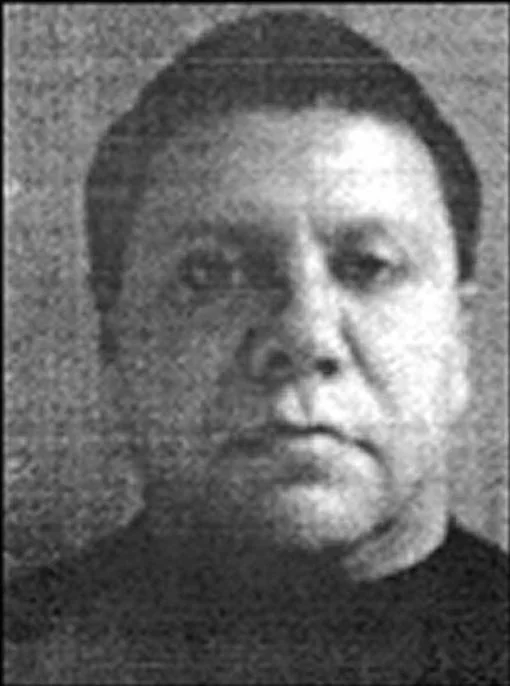
Ferreira has remained wanted since 2011. More than a decade outside federal custody means his appearance, residence, employment, and personal relationships may have changed substantially since the photographs and information associated with the original case were collected.
Long-running fugitive investigations can depend heavily on new information. Someone who met Ferreira years after his disappearance may know little or nothing about his previous activities in Florida. Updated addresses, employment information, travel patterns, associates, or contact details could potentially provide investigators with new leads.
The age of the case does not eliminate the federal warrant or the prison sentence Ferreira failed to serve. His disappearance left both the original sentence and the later federal prosecution unresolved.
Luis Ferreira Remains Wanted
Luis Ferreira remains wanted after disappearing before serving his 33-month federal prison sentence for conspiracy to commit witness tampering. His conviction was connected to his involvement with investment firms in Deerfield Beach that solicited precious-metals investments while customers experienced unauthorized transactions and difficulty liquidating their accounts. Ferreira had already been on supervised release from an earlier federal sentence and concealed his involvement with the businesses from authorities.
After being sentenced on April 18, 2011, Ferreira was released under electronic monitoring and ordered to surrender to prison no later than August 29. He disappeared after failing to return home for curfew in May and later failed to report to prison, resulting in additional federal charges for failure to surrender and contempt of court. Anyone with information concerning his current whereabouts should provide it directly to law enforcement rather than attempting to confront, follow, detain, or apprehend him.