George Edward Wright: Decades-Long Fugitive Case Spans Murder, Prison Escape and Airline Hijacking
A Case Dating Back to 1962
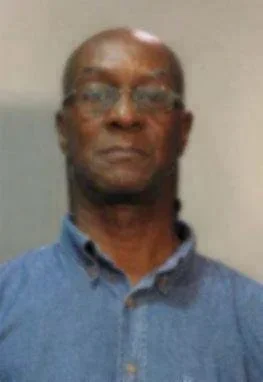
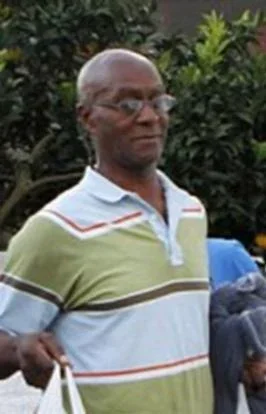
George Edward Wright is wanted for his involvement in a series of crimes stretching back more than six decades. His case began with the 1962 killing of a gas station owner in New Jersey and later expanded to include a prison escape, unlawful flight, and the armed hijacking of a passenger aircraft. Wright was eventually located and arrested in Portugal in 2011 after spending more than 40 years as a fugitive, but he was subsequently released and remains in Portugal.
1962 Gas Station Murder
On November 23, 1962, Wright and an accomplice robbed a gas station in Wall, New Jersey. During the robbery, the owner of the business was shot and killed, while Wright’s accomplice was subsequently arrested. The killing resulted in Wright being indicted for murder on December 13, 1962.
Wright entered a plea of “no defense” in connection with the case and was sentenced to between 15 and 30 years in prison. He consequently entered the New Jersey prison system to serve his sentence for the killing. His incarceration, however, would end prematurely with an escape that began the next major chapter of the case.
Escape From Prison
On August 22, 1970, Wright escaped from the New Jersey State Prison in Leesburg, New Jersey. His escape occurred approximately eight years after the gas station killing and while he was still serving his sentence. New Jersey authorities subsequently issued an arrest warrant charging him with escape.
Federal authorities also became involved shortly afterward. On August 26, 1970, a federal arrest warrant was issued by the U.S. District Court for the District of New Jersey in Trenton after Wright was charged with unlawful flight to avoid confinement. Wright remained outside custody and would become involved in another major crime less than two years later.
Delta Airlines Hijacking
On July 31, 1972, Wright and several other individuals hijacked a Delta Airlines passenger jet traveling from Detroit, Michigan, to Miami, Florida. The hijackers were armed with handguns and threatened passengers aboard the aircraft. The incident transformed Wright’s case from a state murder and escape investigation into an international fugitive case.
The other individuals involved in the hijacking were eventually arrested, but Wright remained at large. The hijacking involved multiple cities and ultimately crossed international borders. It would become one of the defining events in Wright’s decades-long fugitive history.
Disguised as a Cleric
During the hijacking, Wright used the identity “Reverend Larry Burgess” and dressed in clerical clothing. He carried a Bible as part of the disguise, concealing a firearm inside it. Wright then allegedly used the concealed weapon to confront the aircraft’s pilot and crew.
The disguise and concealed firearm were significant elements of the hijacking. Wright’s use of an assumed identity also demonstrated his willingness to conceal his identity while committing the offense. His subsequent life as a fugitive would continue for decades before authorities eventually located him in Europe.
Passengers Held and Ransom Delivered
The hijackers demanded a ransom while threatening those aboard the aircraft. After the ransom was delivered in Miami, the passengers were released, ending their direct involvement in the ordeal. Wright and the other hijackers remained aboard with the aircraft’s crew.
The hijackers then directed the aircraft to continue beyond Miami. The plane traveled to Boston, Massachusetts, where it was refueled and an international navigator was brought aboard. From Boston, the aircraft departed the United States and headed across the Atlantic.
Flight to Algiers
After leaving Boston, the hijacked aircraft flew to Algiers. The international flight allowed Wright and the other hijackers to leave the United States following the armed seizure of the aircraft. The plane and ransom money were ultimately returned to the U.S. government, while the hijackers initially remained free.
Wright continued to evade U.S. authorities following the hijacking. Other participants were eventually arrested, leaving Wright as the sole hijacker from the incident who remained at large. His disappearance subsequently developed into a fugitive search lasting several decades.
More Than 40 Years as a Fugitive
Wright remained a fugitive for more than 40 years following his 1970 prison escape. During that period, authorities continued seeking him in connection with his escape and the events that followed. His ability to remain outside U.S. custody for decades made the case one of unusually long duration.
The search finally produced a major development in September 2011. Authorities located Wright in Portugal, more than four decades after his escape from the New Jersey prison. His discovery brought renewed international attention to a case that had begun in 1962.
Arrested in Portugal
On September 26, 2011, Wright was arrested in Portugal after more than 40 years as a fugitive. The arrest represented the first time in decades that authorities had Wright in custody. However, his detention did not ultimately result in his return to the United States.
Wright was released from custody in October 2011 and remained in Portugal. According to the FBI information concerning his case, he continues to live there. His location is therefore known, distinguishing his case from fugitive investigations in which authorities are still attempting to determine where the individual is hiding.
Sole Hijacker Remaining at Large
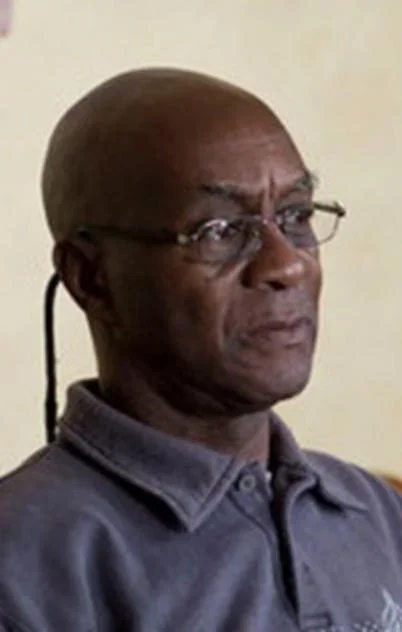
Wright remains the sole participant in the 1972 Delta Airlines hijacking who has not been brought back into custody in connection with the case. The other hijackers were arrested, while Wright’s decades as a fugitive and subsequent situation in Portugal left his case unresolved from the perspective of U.S. authorities. His history encompasses murder, imprisonment, escape, international flight, and aircraft hijacking across a period beginning in the early 1960s.
Anyone with relevant information concerning George Edward Wright or his case should provide that information directly to appropriate law-enforcement authorities. Individuals should not attempt to approach or confront him. Information relevant to U.S. authorities can be submitted through the FBI’s official tip system, while individuals outside the United States can contact their national authorities for appropriate international coordination.