Former Sacramento Priest Gerardo Beltran Wanted in Child Sexual Abuse Case
Four Children Identified in 1991 Case
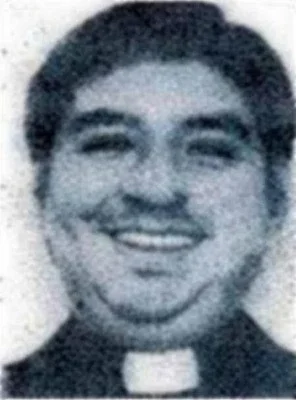
Gerardo Beltran is wanted in connection with alleged lewd and lascivious conduct involving four female victims under the age of 14 in Sacramento, California, according to information released by the FBI. The alleged offenses occurred during 1991 while Beltran was serving as a Catholic priest at two Sacramento-area parishes. Authorities allege that Beltran used his position within the church to gain the trust of the victims’ families.
Position as a Catholic Priest
At the time of the alleged offenses, Beltran held a position as a Catholic priest in two Sacramento parishes. According to the FBI, his position allowed him to establish relationships with families in the communities where he served. Investigators allege that he used that position of trust to gain access to the families of the four young victims.
Beltran’s role as a priest is a significant component of the FBI’s account of the case because authorities specifically identify it as a means through which he gained the families’ trust. The allegations involve four separate female victims, all younger than 14. The resulting investigation led Sacramento authorities to seek his arrest.
Four Criminal Counts Filed
On February 10, 1992, the Sacramento Municipal Court issued a local arrest warrant for Beltran. He was charged with four counts of lewd and lascivious acts with a child under the age of 14. The charges followed the investigation into the alleged conduct that occurred the previous year.
Each of the four counts formed part of the criminal case Sacramento authorities sought to bring before the court. Beltran, however, was not brought to trial on those charges after leaving during the investigation. His departure eventually resulted in federal authorities becoming involved in the effort to locate him.
Beltran Fled During Investigation
According to the FBI, Beltran fled during the course of the investigation. His departure left the Sacramento criminal case unresolved and began what developed into a longstanding fugitive investigation. Authorities have continued seeking information that could help establish his whereabouts.
The length of time since Beltran disappeared means information from former parishioners, acquaintances, coworkers, or others who knew him may remain relevant. Investigators may also be interested in information concerning where he traveled or lived after leaving Sacramento. Credible historical information can assist authorities in reconstructing the movements of a fugitive over time.
Federal Authorities Join the Search
More than a decade after the original Sacramento arrest warrant was issued, the case resulted in federal action. On June 17, 2005, a federal warrant was issued for Beltran by the U.S. District Court for the Eastern District of California in Sacramento. He was federally charged with unlawful flight to avoid prosecution.
The federal warrant brought the FBI into the continuing effort to locate Beltran. His case consequently involves both the original California charges and a separate federal charge connected with his alleged flight. Authorities continue seeking information that could help execute the outstanding warrants.
A Fugitive Case Spanning Decades
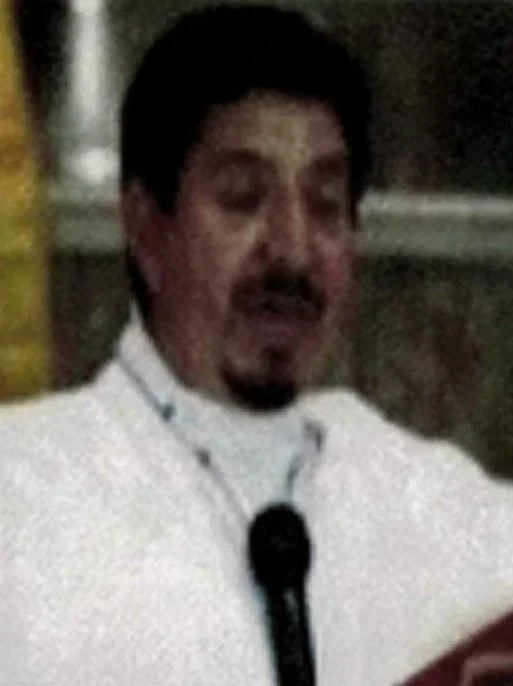
The allegations against Beltran date to 1991, making this an unusually longstanding child sexual abuse and fugitive case. More than three decades have passed since Sacramento authorities issued the original warrant in February 1992. Beltran’s appearance may therefore have changed substantially from photographs taken around the time of the investigation.
Individuals who encountered Beltran after he left Sacramento may possess information that could help investigators determine his movements. Information concerning residences, employment, religious affiliations, associates, travel, or identities used after his disappearance could potentially assist authorities. Such information should be provided directly to law enforcement.

FBI Seeks Information From the Public
Anyone with information concerning Gerardo Beltran, his current whereabouts, associates, movements, or activities is encouraged to contact the FBI or appropriate law-enforcement authorities. Information concerning where Beltran lived or traveled after fleeing the Sacramento investigation may be particularly relevant to the longstanding fugitive case. The charges described above remain allegations unless and until established in court, and members of the public should not attempt to approach or apprehend Beltran themselves.