Convicted Las Vegas Real Estate Fraudster Phet Loi Naovarath Vanished Before Starting Federal Prison Sentence
More Than $10 Million in Losses Followed Scheme Targeting Banks and Members of Nevada's Laotian Community
Phet Loi Naovarath is wanted by the FBI after fleeing before he was scheduled to begin a 33-month federal prison sentence for his role in a large-scale Las Vegas real estate fraud scheme. From 2005 through 2007, the operation victimized multiple FDIC-insured financial institutions as well as individuals within Nevada's Laotian community. Authorities say fraudulent property transactions associated with the scheme resulted in numerous foreclosures and losses exceeding $10 million.
Naovarath ultimately pleaded guilty after federal investigators built their case against him, and several of his co-conspirators also pleaded guilty and were sentenced. He never began serving his prison term. In May 2012, shortly before he was required to report to the Federal Bureau of Prisons, Naovarath fled Las Vegas and left behind his wife and two young children.
Laotian Victims Promised Real Estate Partnerships
Naovarath's operation relied in part on people within his own Laotian community in Nevada. Authorities say he approached victims with what appeared to be opportunities to become investment partners in Las Vegas real estate. The victims were told they would participate in purchasing properties and have a legitimate financial interest in the resulting investments.
Instead, authorities say Naovarath used their identities to acquire high-end properties. The supposed investment partners were not participating in the legitimate real estate ventures they had been promised. Their identities became a mechanism through which properties could be purchased and rapidly resold.
Using members of his own community gave Naovarath access to people who could place personal trust in him and the investment opportunities he presented. The victims believed they were entering partnerships, while federal investigators determined that their identities were being used as part of fraudulent real estate transactions.
High-End Las Vegas Properties Quickly Flipped
The operation took place during the extraordinary Las Vegas housing market of the mid-2000s. High-end properties could change hands rapidly as prices increased and investors attempted to capitalize on the booming real estate market. Naovarath used this environment to purchase and quickly resell, or “flip,” expensive properties.
Property flipping itself is legal when homes are legitimately purchased and resold. The criminal conduct in this case centered on the fraudulent methods authorities say were used to obtain the properties and mortgage financing. Naovarath's victims believed they were partners in legitimate transactions when their identities were instead being used to facilitate purchases.
The rapid resale of properties allowed money to move through successive transactions. As long as the real estate market remained strong, increasing property values could help conceal underlying problems. Once mortgages went unpaid and properties entered foreclosure, financial institutions and individuals were left facing the consequences.
Individual Buyers Used for Multiple Properties
In some instances, authorities say Naovarath used the same buyer to purchase several different properties. Each transaction could add another mortgage to the person's name, creating enormous amounts of debt. The FBI says some buyers accumulated millions of dollars in mortgage obligations through the operation.
Mortgage lenders make financing decisions based partly on the identity and financial circumstances of the person supposedly purchasing a property. When one person's identity is repeatedly used to acquire expensive homes under fraudulent circumstances, the resulting debt can quickly reach extraordinary levels. The borrower appearing on the paperwork may be left connected to mortgages for properties they never genuinely intended to acquire as represented.
This practice also allowed the operation to continue purchasing properties without relying on a completely new individual for every transaction. Reusing buyers expanded the amount of real estate that could be acquired while concentrating millions of dollars in mortgage debt under individual names.
An Entire Upscale Community Affected
The scale of the operation extended beyond scattered properties across Las Vegas. According to the FBI, most, if not all, of the properties within one entire upscale Las Vegas community were purchased through the same fraudulent method. The concentration of questionable transactions within a single development demonstrates the extraordinary scope of the scheme.
As the mortgages failed, numerous properties entered foreclosure. A foreclosure does not affect only the person whose name appears on the mortgage; large numbers of distressed properties can also affect lenders, surrounding homeowners, and the stability of a neighborhood. In this case, federal authorities calculated losses exceeding $10 million.
Multiple FDIC-insured institutions were victimized through the operation. These financial institutions had provided mortgage financing based on transactions authorities later determined were fraudulent. When borrowers stopped paying and properties went into foreclosure, lenders were left attempting to recover their losses from the underlying real estate.
Losses Exceeded $10 Million
The federal investigation ultimately attributed more than $10 million in losses to the fraudulent operation. Those losses resulted from a scheme that had operated for approximately two years, from 2005 through 2007. The combination of high-end Las Vegas properties and repeated mortgage transactions allowed financial exposure to accumulate rapidly.
Expensive homes can generate significant losses from even a relatively small number of fraudulent transactions. When an entire group of upscale properties becomes involved, the combined mortgage balances can reach millions of dollars. Falling property values can make the financial damage even greater because foreclosed homes may sell for substantially less than the outstanding mortgage debt.
The timing of Naovarath's operation was particularly significant because it overlapped with the collapse of the American housing market. Las Vegas became one of the areas heavily affected by the foreclosure crisis, making fraudulent mortgage transactions especially damaging as property values deteriorated.
Fraud Proceeds Supported a Lavish Lifestyle
Federal authorities say Naovarath used proceeds from the operation to finance a lavish lifestyle. The FBI specifically notes his interest in fast cars and states that he previously owned a Lamborghini. Those details have also become relevant to the continuing effort to identify and locate him.
High-value purchases can become important evidence in financial crime investigations when an individual's lifestyle is inconsistent with legitimate reported income. Investigators can examine property purchases, automobiles, banking activity, travel, businesses, and other expenditures while tracing proceeds generated through suspected fraud.
The money generated through Naovarath's operation did not remain solely within the real estate transactions, according to federal authorities. Investigators concluded that the proceeds personally benefited him and supported his lifestyle while financial institutions and other victims were exposed to substantial losses.
Co-Conspirators Pleaded Guilty
Naovarath did not operate alone. Federal authorities identified multiple co-conspirators involved in the broader real estate scheme, several of whom ultimately pleaded guilty. Those defendants were subsequently sentenced for their respective roles.
Co-conspirator prosecutions can provide investigators with important evidence concerning how a fraud operation was structured. Financial records, testimony, communications, mortgage documents, and guilty pleas can help establish the relationships among the participants and the methods used to carry out transactions.
The federal investigation eventually produced what the FBI describes as overwhelming evidence against Naovarath. Rather than proceed through a completed trial, he entered a guilty plea and moved into the sentencing phase of his case.
Naovarath Pleads Guilty
Naovarath ultimately pleaded guilty to his role in the fraudulent operation. His guilty plea distinguishes his case from that of a fugitive who disappears while allegations remain untested before a criminal court. Naovarath accepted criminal responsibility in federal court and was subsequently sentenced.
The court imposed a sentence of 33 months in federal prison. At that point, the prosecution had progressed through investigation, criminal proceedings, a guilty plea, and sentencing. What remained was for Naovarath to report to federal authorities and begin serving the prison term ordered by the court.
He never did.
Flight Before His 33-Month Prison Sentence
In May 2012, shortly before he was scheduled to report to the Federal Bureau of Prisons, Naovarath disappeared from Las Vegas. Federal authorities say he fled the area rather than surrendering to begin his 33-month sentence. He left behind his wife and two young children.
His disappearance transformed a completed fraud prosecution into a fugitive investigation. The government had already secured his guilty plea and sentence, but authorities now needed to locate him before the punishment imposed by the federal court could be carried out.
The timing suggests Naovarath knew imprisonment was imminent when he left. Unlike a suspect attempting to avoid an investigation or trial, he fled after the judicial process had already resulted in a conviction and prison sentence.
Federal Arrest Warrant Issued in June 2012
On June 15, 2012, a federal arrest warrant was issued for Phet Loi Naovarath. The warrant remains outstanding while authorities continue searching for him. His case has now remained unresolved for more than a decade.
The FBI's Las Vegas Field Office is responsible for his wanted notice. Investigators have published photographs and biographical information that could help identify him, along with details concerning locations where he may have traveled after leaving Nevada.
If Naovarath is located and taken into custody, his existing conviction and 33-month sentence remain central to his case. His fugitive status resulted from leaving before reporting to federal prison rather than from disappearing before the original prosecution was completed.
Who Is Phet Loi Naovarath?
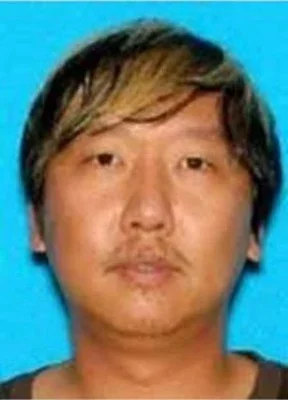
Phet Loi Naovarath was born on April 4, 1968, in Laos. The FBI describes him as approximately 5 feet 6 inches tall and weighing around 170 pounds, with black hair and brown eyes. Authorities have released photographs of him to assist with identification.
Naovarath has strong connections to Nevada, particularly the Las Vegas area where the real estate operation took place. His personal history within the Laotian community was also significant to the original fraud investigation because members of that community were among the people victimized by the scheme.
More than a decade has passed since his disappearance, meaning his current physical appearance could differ considerably from older photographs. Changes in weight, hair, facial hair, clothing, and general appearance should be considered when comparing someone with historical wanted photographs.
Possible Travel to Laos, California and Nevada
Federal authorities say Naovarath may have traveled to Laos after fleeing. His birthplace and connections to the country make it an important location in the international search for him. Authorities have also identified several destinations within the United States where he may have traveled.
The FBI says Naovarath may have traveled to Los Angeles, California, as well as Las Vegas and Pahrump, Nevada. These locations provide investigators with several geographic areas connected to the fugitive. His history in Las Vegas is especially significant because that is where the underlying real estate scheme operated and where he lived before disappearing.
His potential international travel adds complexity to the search. Locating a fugitive abroad can require cooperation between governments and law-enforcement agencies, while future international travel may create opportunities for authorities to identify or apprehend the individual.
Fast Cars May Provide an Identifying Detail
The FBI specifically notes that Naovarath enjoys fast cars and previously owned a Lamborghini. Personal interests can become useful in fugitive investigations because an individual may continue hobbies, purchasing habits, or social connections after changing residences. Someone encountering him through automotive communities or businesses may recognize him independently of his previous real estate activities.
Investigators can also examine lifestyle patterns when developing leads about a fugitive's location. Automobile registrations, purchases, businesses, social relationships, and travel can potentially generate information connecting a person to a particular area.
The Lamborghini itself should not be interpreted as necessarily reflecting what Naovarath currently drives. The FBI identifies his previous ownership and interest in fast cars as background information that could assist people who knew or encountered him.
Fraud Within a Trusted Community
One of the most damaging aspects of the Naovarath case was his use of relationships within Nevada's Laotian community. Victims were not simply responding to anonymous investment advertisements; they were being presented with opportunities through someone connected to their own community. That familiarity could make the proposed investments appear safer and more credible.
Affinity fraud occurs when trust within a community, professional group, religious organization, cultural network, or other shared relationship is exploited to facilitate financial crime. Victims may perform less independent verification because the person promoting the opportunity appears to be someone they can trust.
In Naovarath's case, authorities say victims believed they would become investment partners in Las Vegas properties. Instead, their identities were used in transactions that created substantial mortgage debt while Naovarath received financial benefits from the operation.
The Lasting Damage of Mortgage Fraud
Mortgage fraud can produce consequences long after the original transaction. Financial institutions can suffer losses when fraudulent loans default, while individuals whose identities or credit profiles were used can face substantial financial complications. Neighborhoods can also be affected when numerous homes enter foreclosure.
The Naovarath operation was especially significant because authorities say most, if not all, properties within one upscale Las Vegas community were purchased using the fraudulent method. When large numbers of properties within a single development encounter foreclosure, the effects can extend beyond individual borrowers and lenders.
The losses attributed to the operation exceeded $10 million. Combined with the number of victims, multiple financial institutions, and concentration of properties involved, the case became a substantial federal financial crime investigation.
Naovarath Remains Wanted After Conviction
Phet Loi Naovarath remains wanted after fleeing before beginning the 33-month federal prison sentence imposed for his role in the Las Vegas real estate fraud scheme. The operation victimized FDIC-insured financial institutions and members of Nevada's Laotian community, resulting in numerous foreclosures and losses exceeding $10 million. Naovarath had already pleaded guilty and been sentenced when he disappeared in May 2012.
A federal arrest warrant was issued on June 15, 2012, and remains outstanding. Authorities say Naovarath may have traveled to Laos, Los Angeles, Las Vegas, or Pahrump, and his interest in fast cars remains one of the personal details included in his federal wanted information. Anyone with information concerning his whereabouts should provide it directly to appropriate law-enforcement authorities rather than attempting to confront, follow, detain, or apprehend him.